
Panama: The Luxury Destination That Still Feels Like a Secret

Some destinations earn their reputation through a single iconic landmark. Others captivate travelers because every day reveals something entirely unexpected. Panama belongs to the second category.
For many people, the country's identity begins and ends with the Panama Canal, one of the greatest engineering achievements in history. While the canal is unquestionably remarkable, it represents only one chapter of a much richer story. Beyond its famous locks lies a country where modern skylines meet centuries-old neighborhoods, lush rainforests begin only minutes from vibrant city streets, and two coastlines offer experiences as different as the oceans they border.
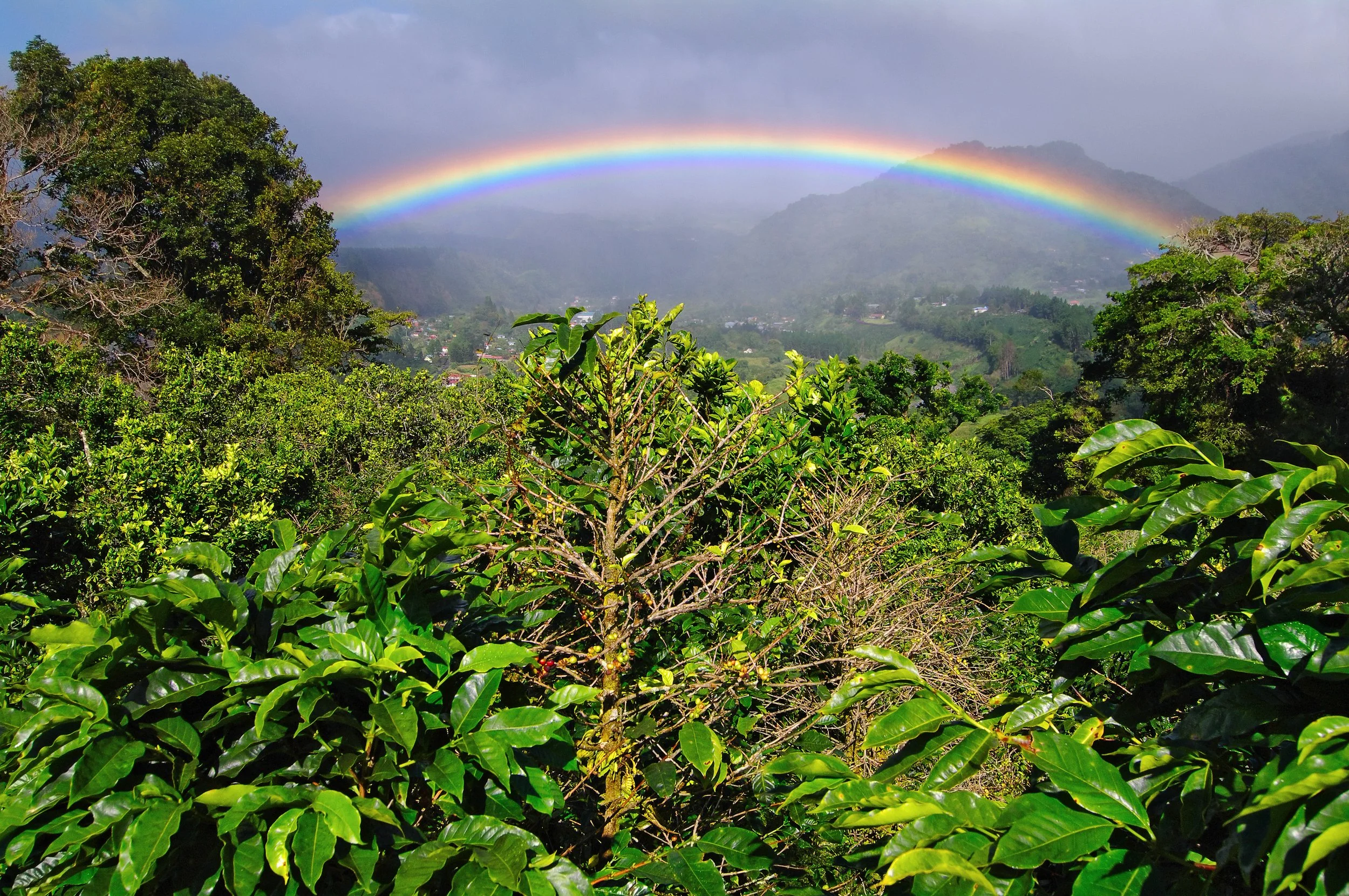
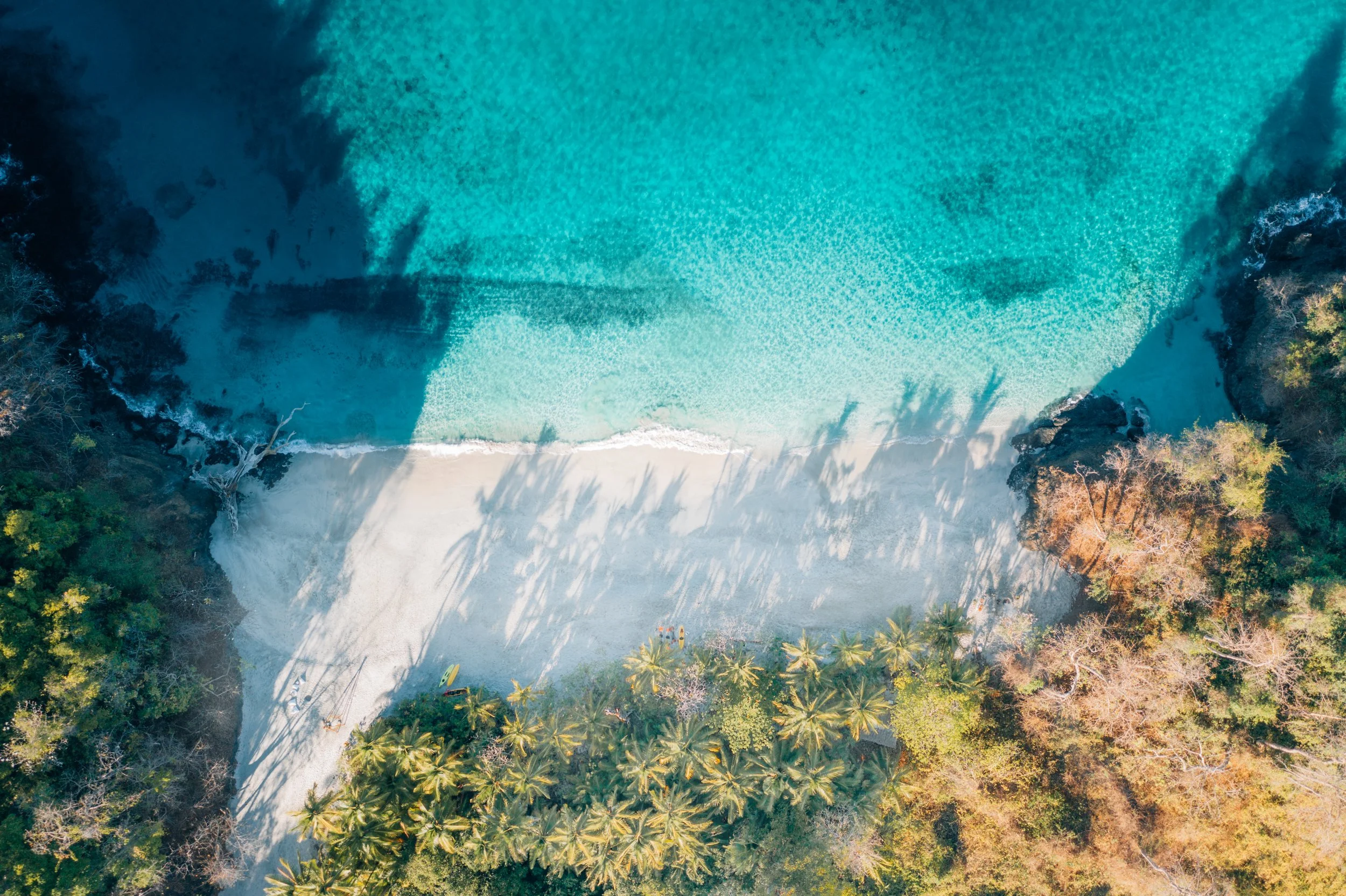
Compact in size yet astonishingly diverse, Panama invites travelers to experience an extraordinary variety of landscapes and cultures without spending days in transit. A morning might begin wandering the historic streets of Casco Viejo, continue with a wildlife encounter along the shores of the Panama Canal, and conclude with dinner at one of Latin America's most exciting culinary destinations. A few days later, those same travelers may find themselves sipping world-renowned Geisha coffee in the cool mountain air of Boquete or relaxing on a secluded Caribbean beach where turquoise waters stretch toward the horizon.
It is this remarkable diversity that makes Panama one of the most compelling destinations in the Americas.
Where Continents and Oceans Meet
Geography has shaped Panama's history in ways few countries can claim. Serving as the narrow land bridge between North and South America, it has connected civilizations, cultures, and global commerce for centuries. Today, that unique location also makes it one of the world's richest regions for biodiversity.
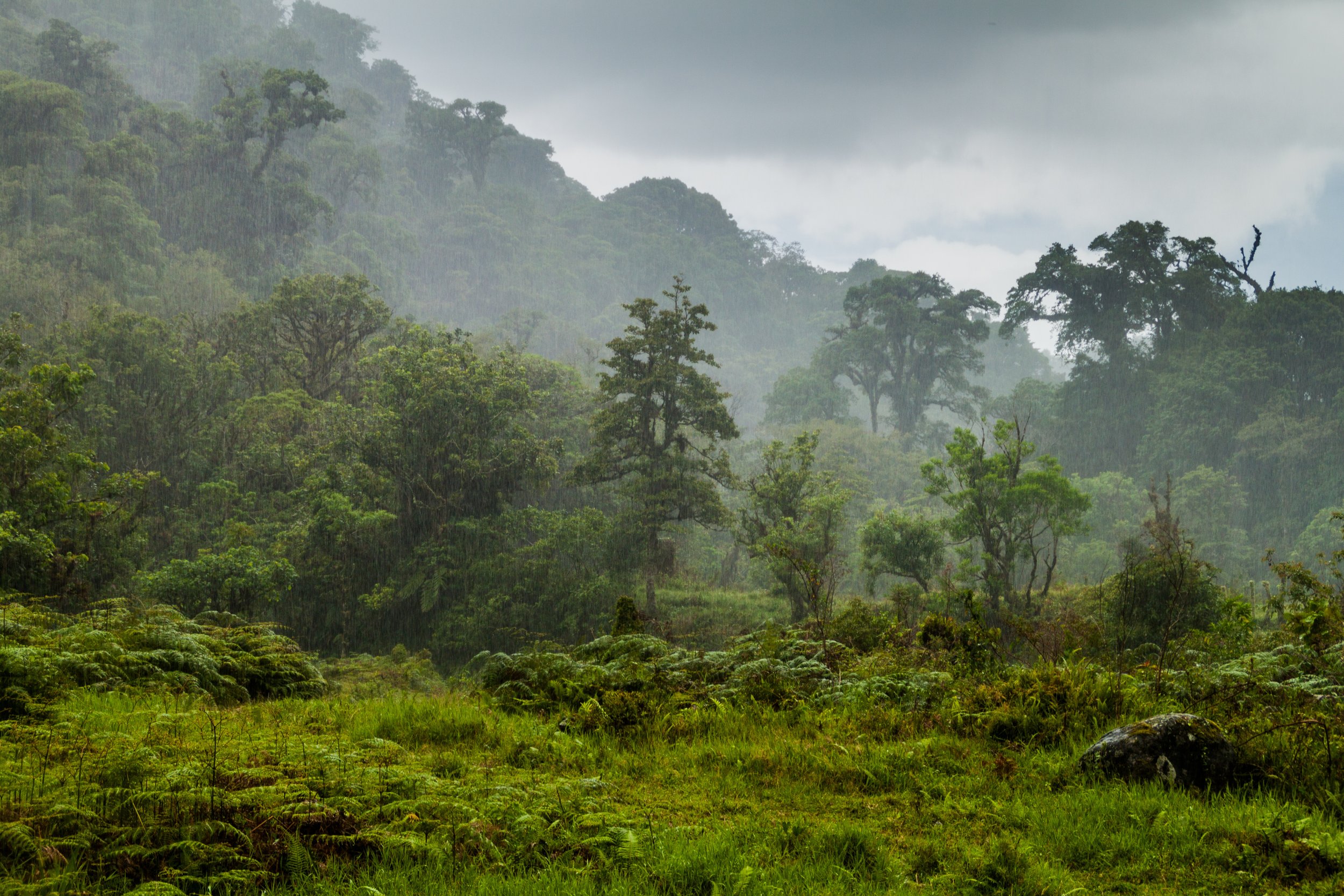
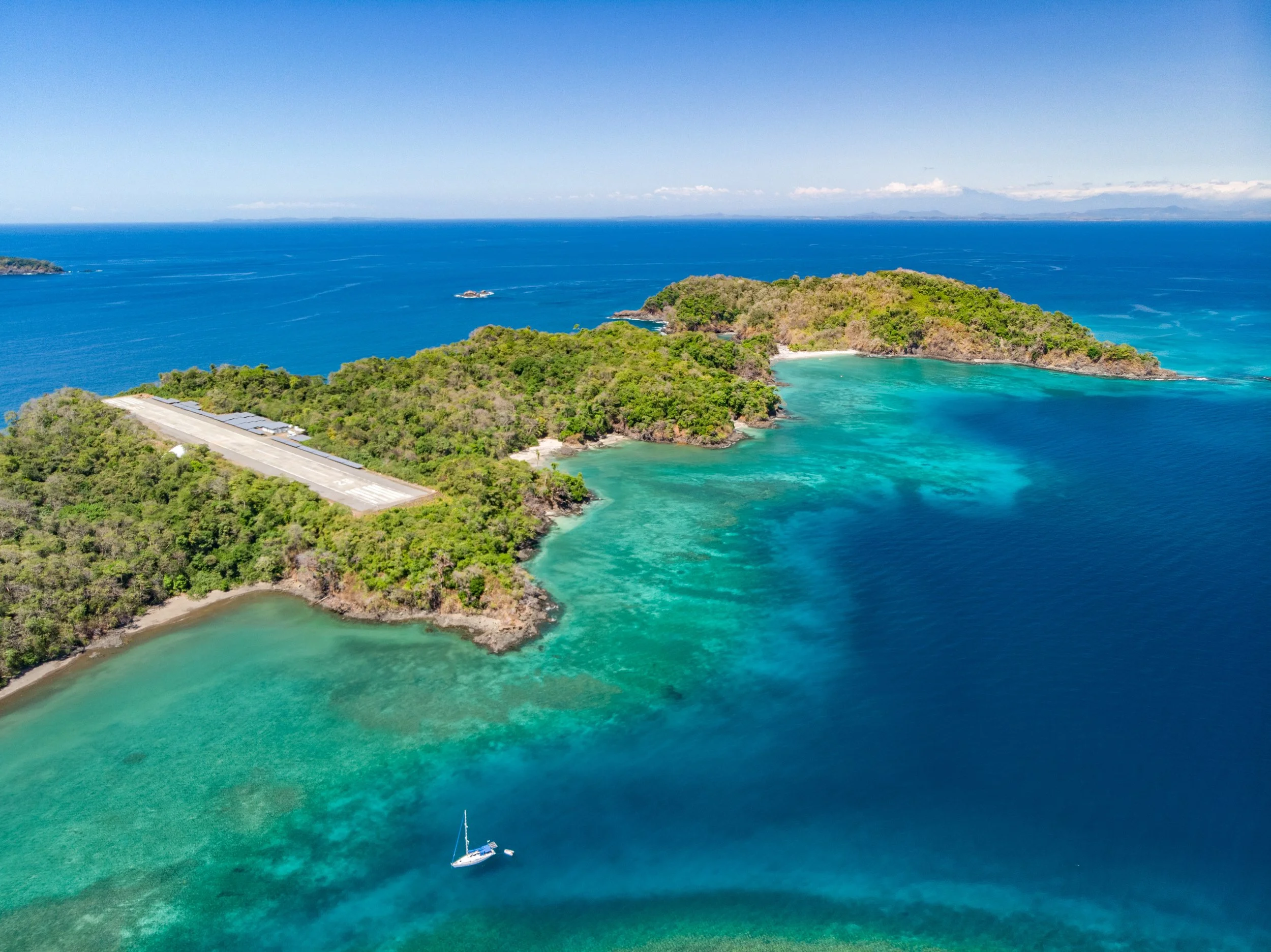
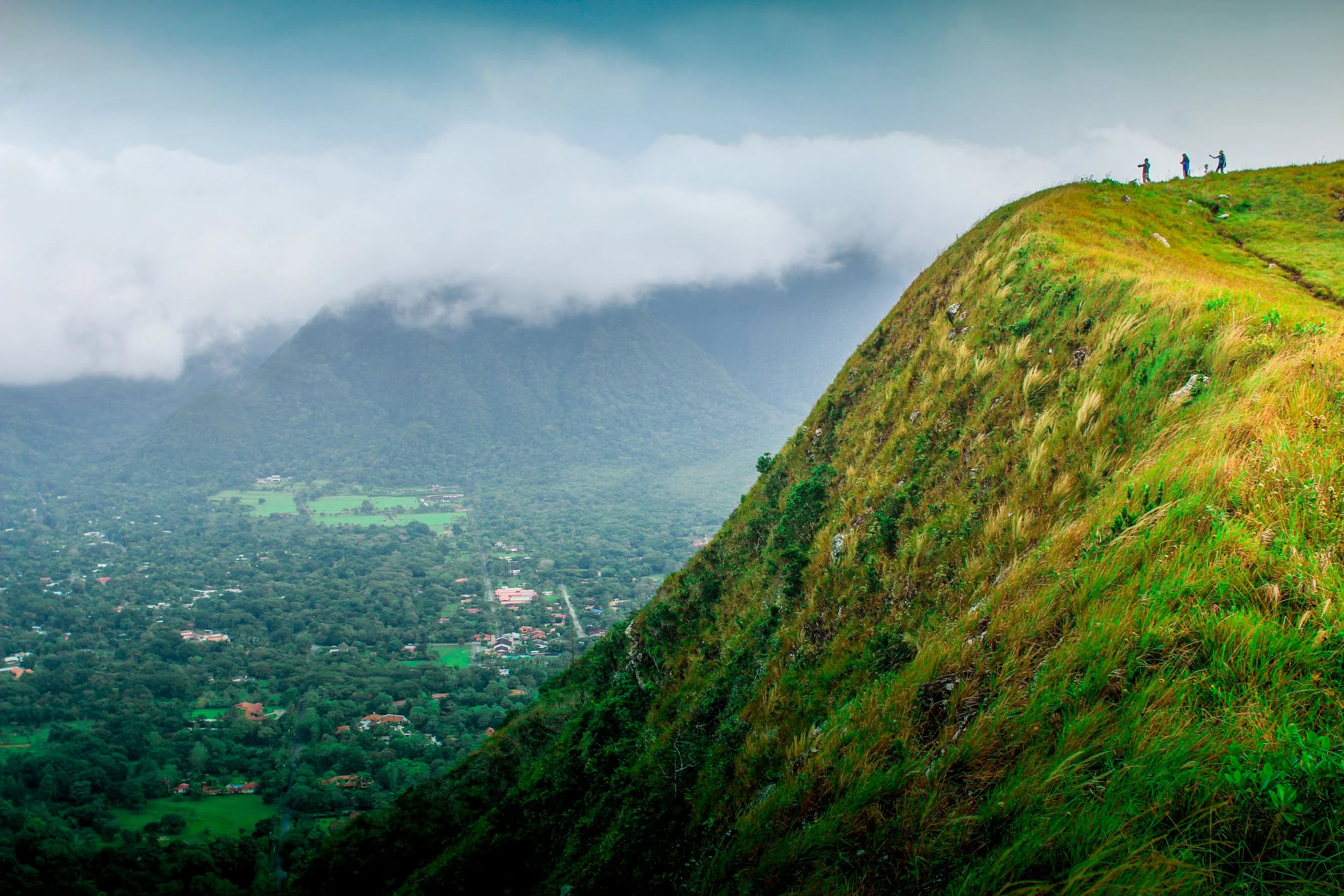
Within just a few hours, travelers can experience tropical rainforests, cloud forests, white-sand islands, coral reefs, mountain valleys, and cosmopolitan city life. Nearly one-third of the country is protected as national parks or nature reserves, creating exceptional opportunities to encounter wildlife in remarkably accessible settings.
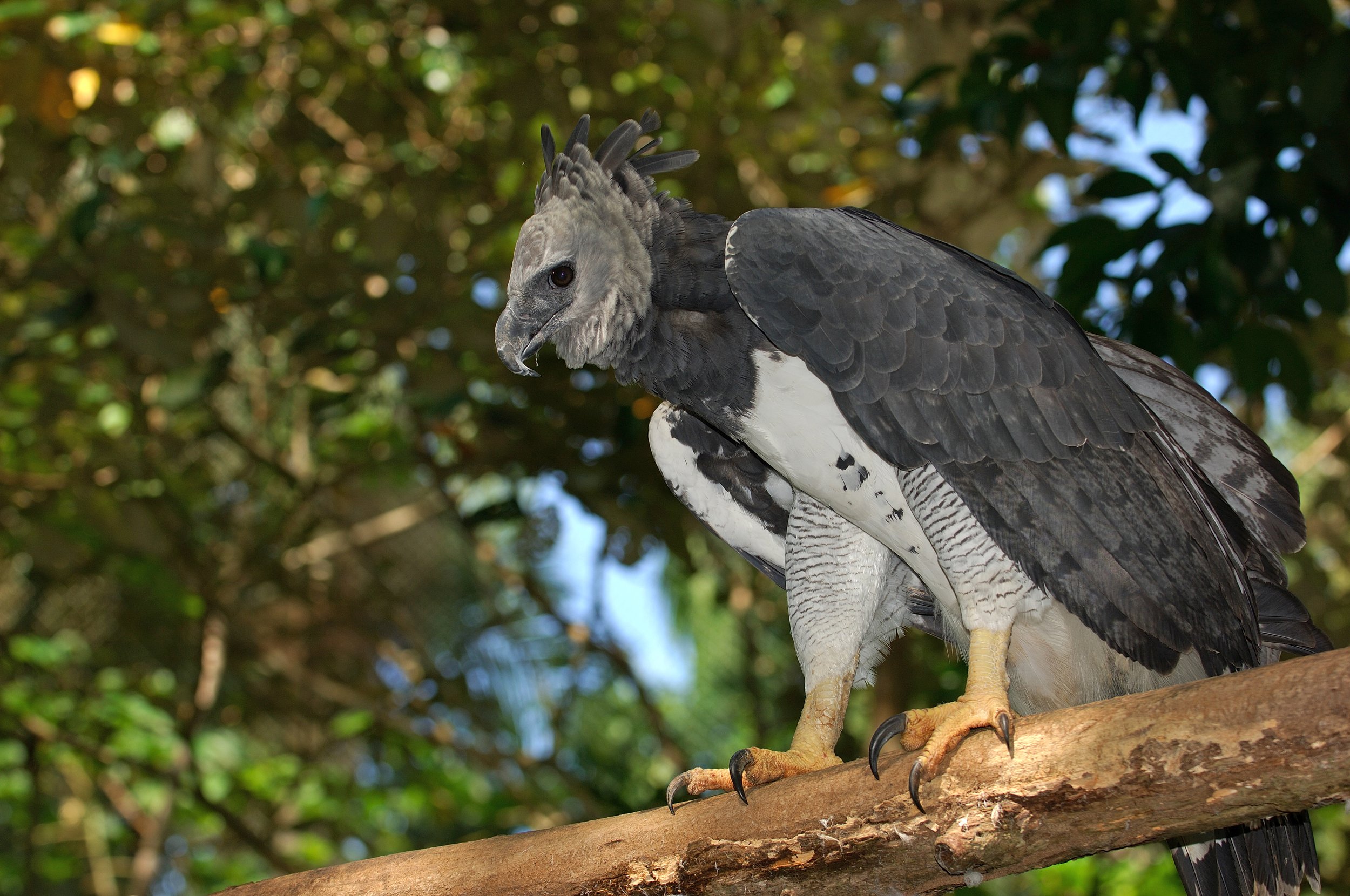
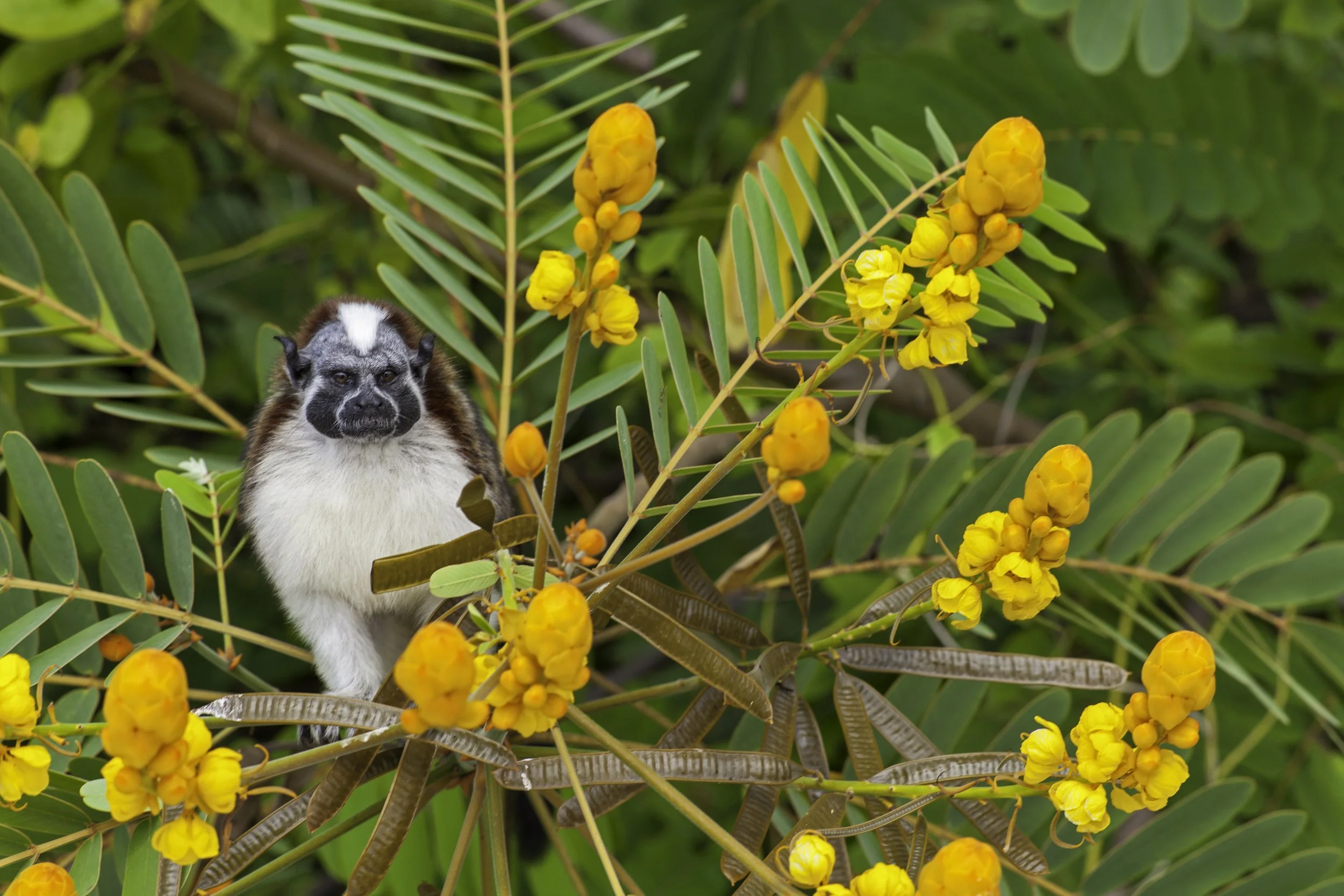
Monkeys swing through rainforest canopies, colorful toucans glide overhead, sloths move quietly among towering trees, and both the Pacific and Caribbean coasts provide seasonal opportunities to observe whales, dolphins, sea turtles, and vibrant marine life.
Yet Panama's greatest luxury may not be found in its landscapes alone.
It is the ease with which these experiences connect. Excellent infrastructure, modern accommodations, and convenient domestic flights allow visitors to combine sophisticated urban experiences with remote natural beauty in a single, seamless journey.
Panama City: Where History and Modern Luxury Coexist
Few cities illustrate the balance between old and new as gracefully as Panama City.
The skyline rises dramatically above the Pacific Ocean, reflecting the country's importance as a financial and commercial center. Elegant hotels, internationally recognized restaurants, rooftop lounges, and contemporary architecture create an atmosphere that rivals many of the world's great capitals.
Only minutes away, however, lies an entirely different rhythm.
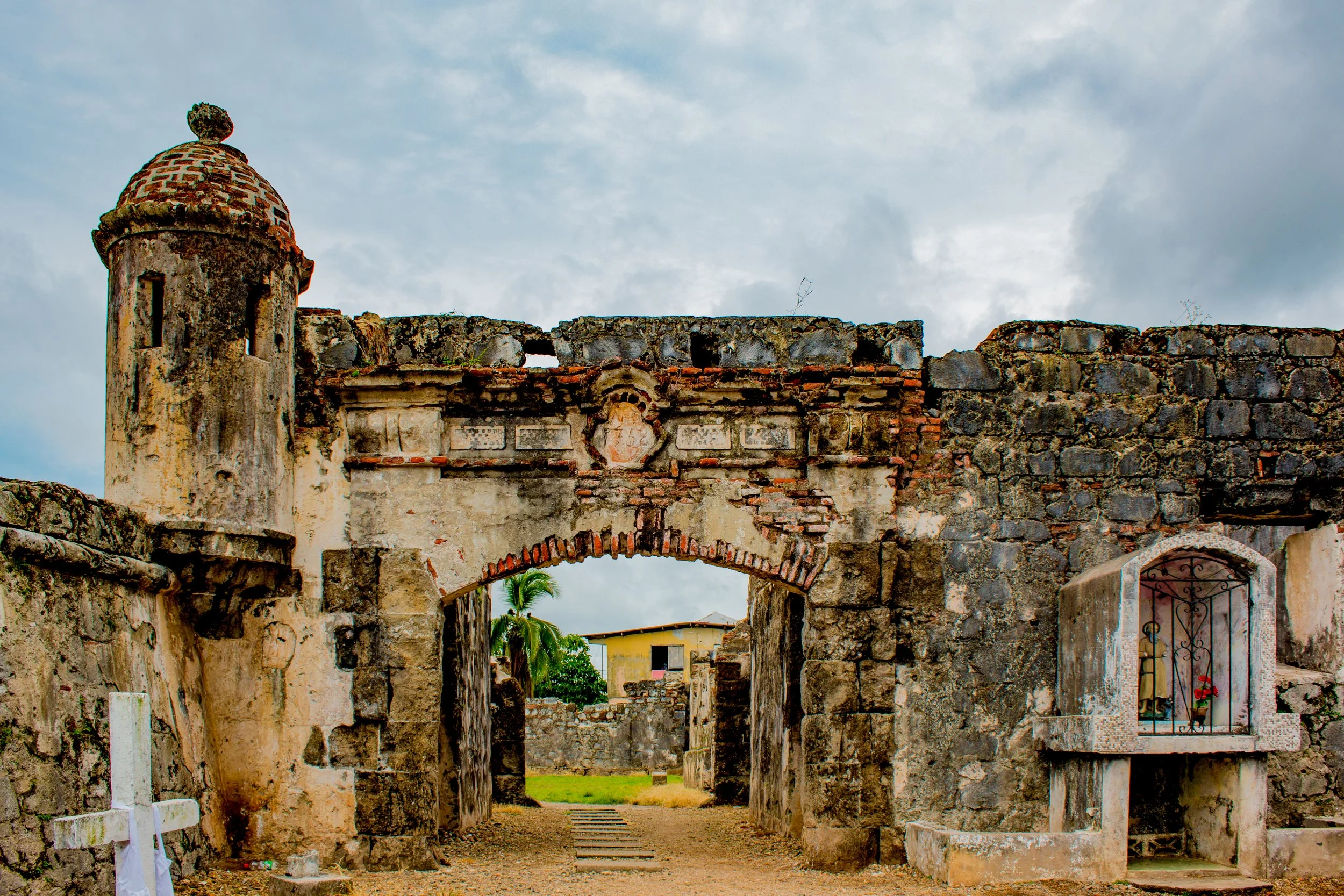
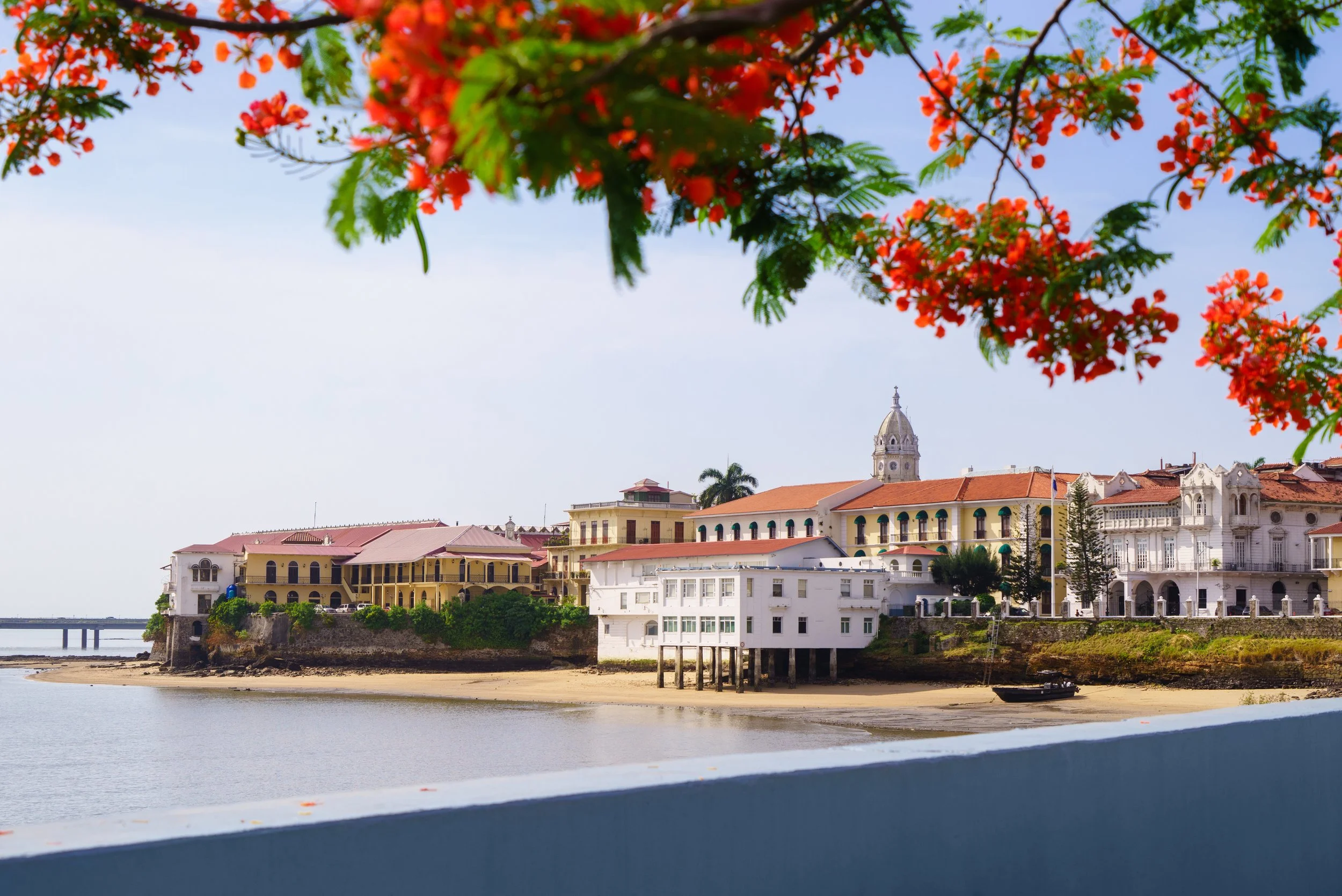
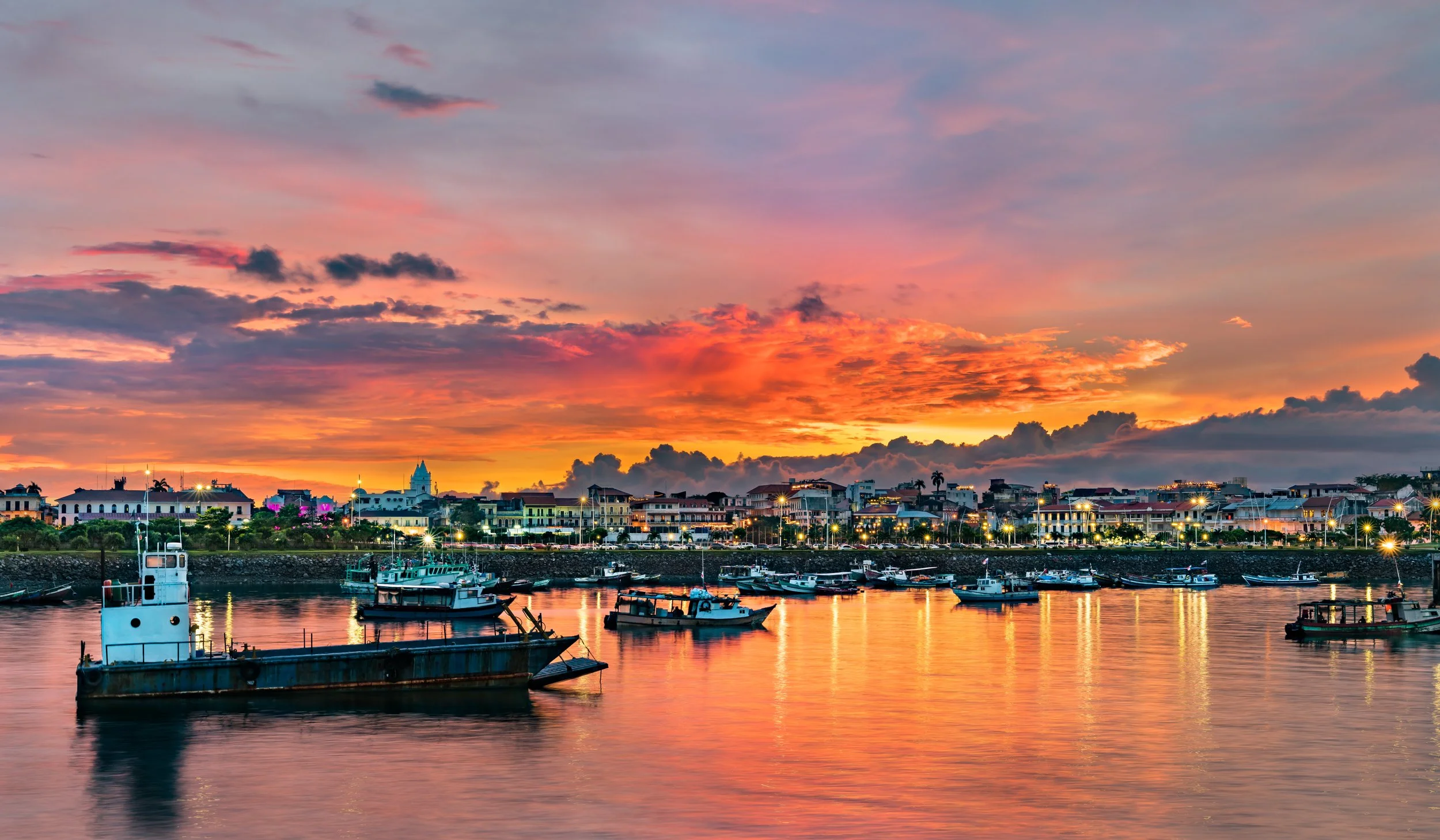
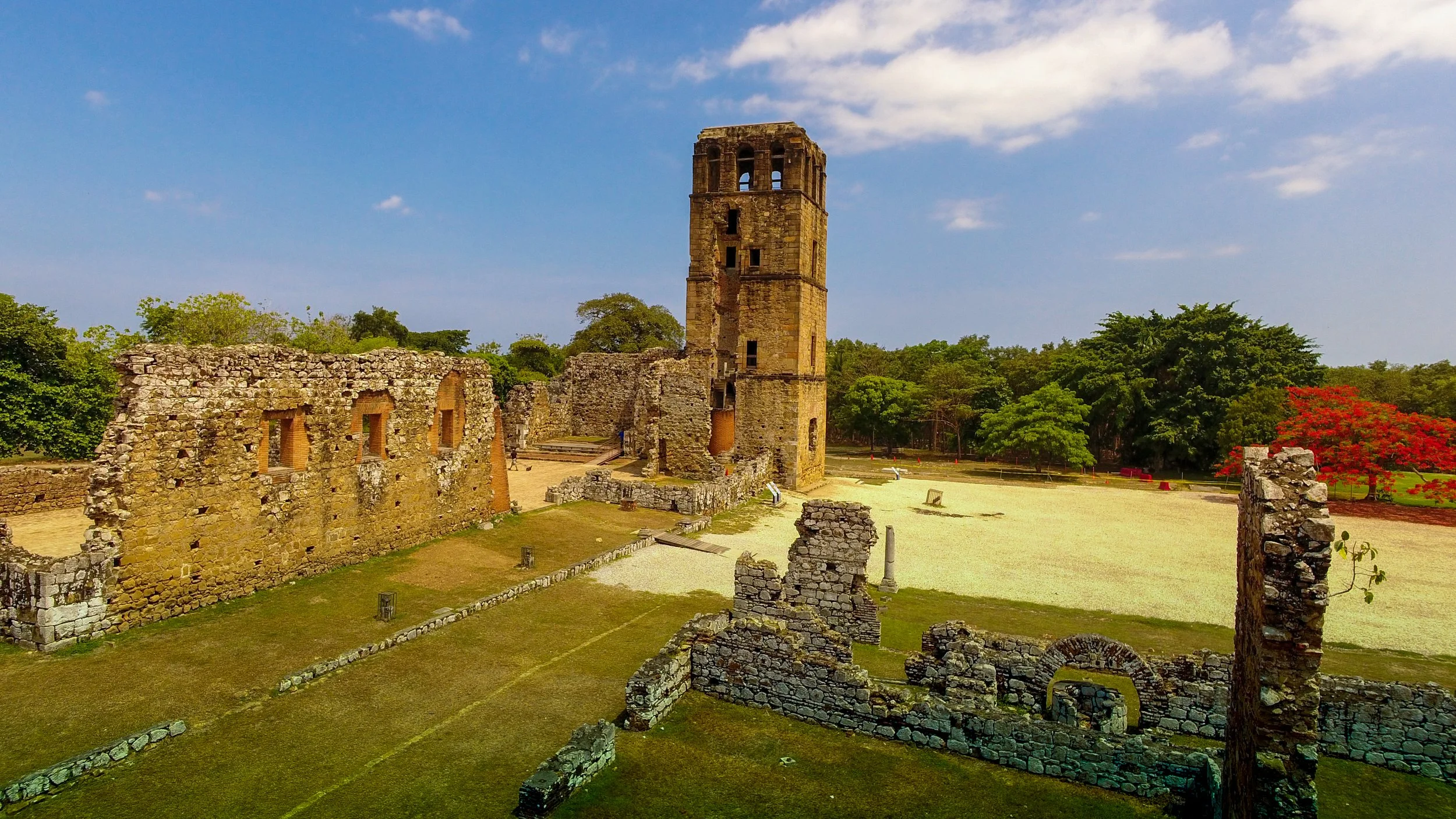
The cobblestone streets of Casco Viejo invite visitors to slow down and appreciate Panama's rich cultural heritage. Founded in 1673 after the destruction of the original settlement, this beautifully restored historic district has evolved into one of the city's most vibrant neighborhoods. Colonial architecture, colorful balconies, intimate cafés, boutique hotels, art galleries, and beautifully restored churches create an atmosphere where history feels alive rather than preserved behind museum walls.
As the afternoon sun begins to soften, locals and visitors gather in lively plazas, browse artisan boutiques, or settle into rooftop terraces overlooking both the colonial skyline and the modern city beyond. It is a setting that perfectly captures Panama's character: respectful of its past while embracing the future.
The city's culinary scene mirrors this same spirit. Influences from Indigenous, Spanish, Afro-Caribbean, Asian, and international traditions have inspired a new generation of chefs who celebrate local ingredients with creativity and sophistication. Fresh seafood, tropical fruits, cacao, and exceptional coffee appear throughout menus that continue earning international recognition.
Dining becomes more than a meal—it becomes another way to understand Panama's cultural identity.
More Than a Canal
No visit to Panama would be complete without experiencing the Panama Canal, yet the true fascination lies not only in its scale but in its enduring impact on the modern world.
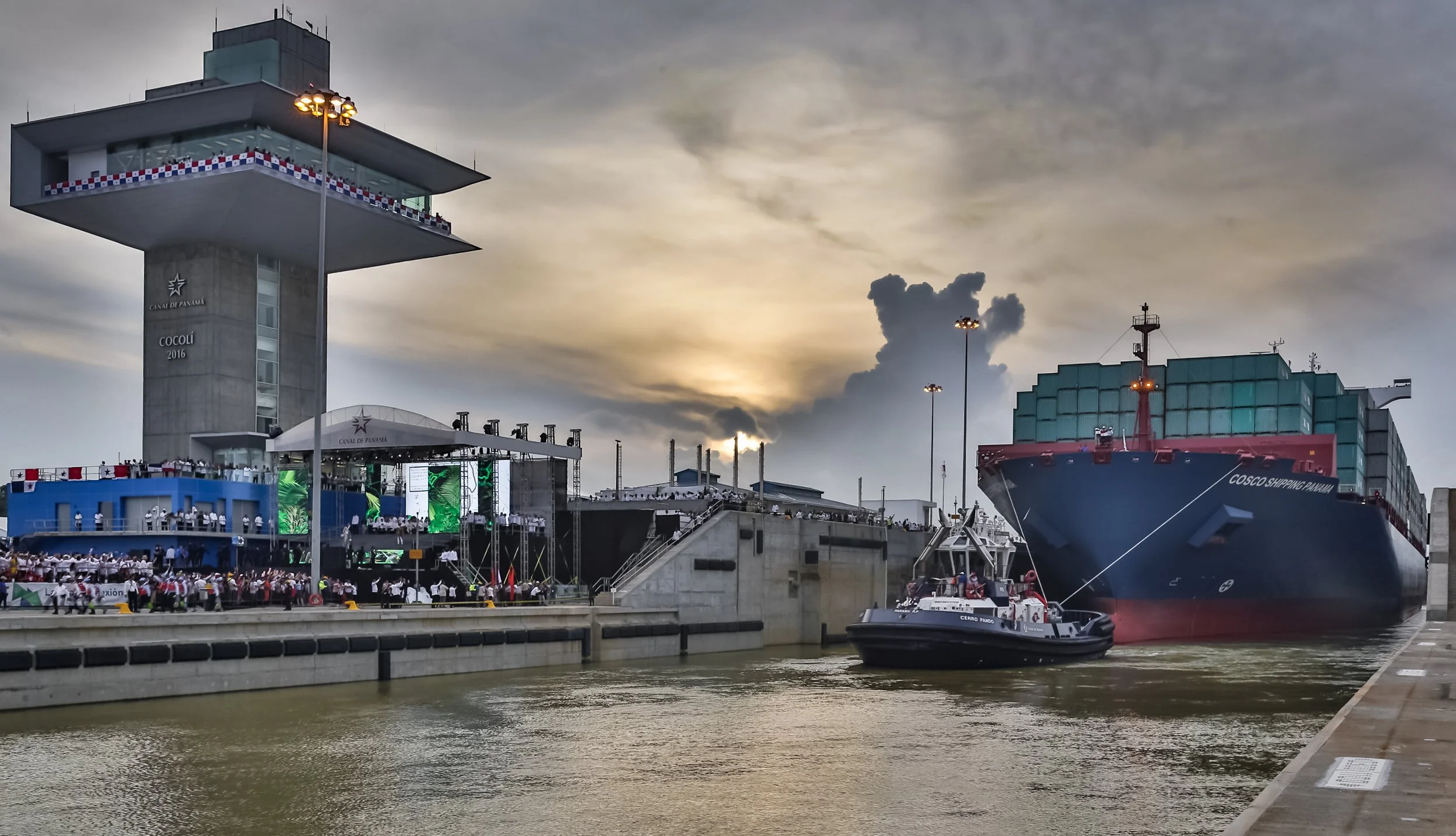
Watching enormous vessels navigate the Miraflores Locks offers an appreciation for one of history's greatest engineering accomplishments. Visitor centers provide engaging exhibits that explain the canal's construction, expansion, and continuing importance to global commerce.
For travelers seeking a deeper understanding, partial canal transits offer a memorable perspective, allowing guests to experience firsthand the operation of the locks while crossing a portion of this legendary waterway. It is an experience that transforms a famous landmark into something deeply personal.
Surprisingly, the canal also protects one of the country's richest natural environments. Rainforests surrounding its watershed shelter hundreds of bird species, monkeys, sloths, crocodiles, and countless other forms of wildlife. Guided boat excursions through these waterways often combine remarkable engineering with unforgettable encounters in nature, reminding visitors that Panama's greatest achievements are found in both human ingenuity and environmental stewardship.