
Exciting Kenya & Tanzania: The Great Migration
Yvonne Hawley | Journeys by Yvonne
We were fortunate enough to embark on a 2-week safari visiting beautiful safari lodges in Kenya and Tanzania. Every day was filled with heart-stopping moments of joy and awe for the incredible natural surroundings we were travelling through. Everything on a grand scale – this is East Africa – abundant wildlife, vast wild open spaces, great lakes, giant craters, and the warmest, most welcoming people!
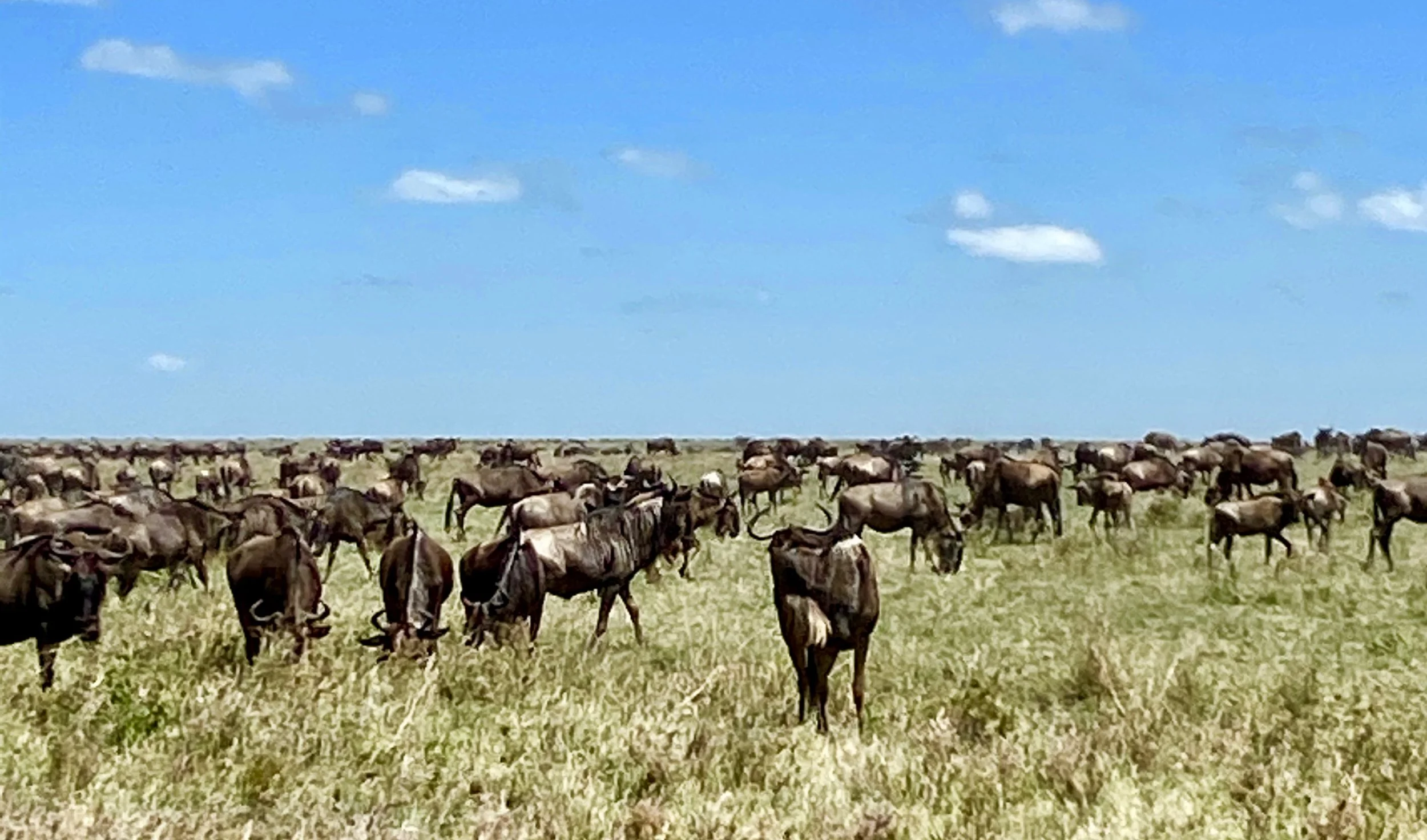
In what is considered one of the earth's greatest spectacles, over a million wildebeest make their way from Tanzania’s Serengeti to Kenya in search of lusher grasslands. The most dramatic scenes take place at the river crossings, where the wildebeest slip and crash down the steep embankments of the Mara River into crocodile- and hippo-infested waters, and, if they get through that, they still must gallop past the Mara’s high density of lions awaiting them on the other side
A safari is at the top of many a bucket list. And for good reason. Whether it’s your first game drive or your 100th, each one is an adventure; a true broadening of horizons; an education for the mind; and a rejuvenation of the soul.
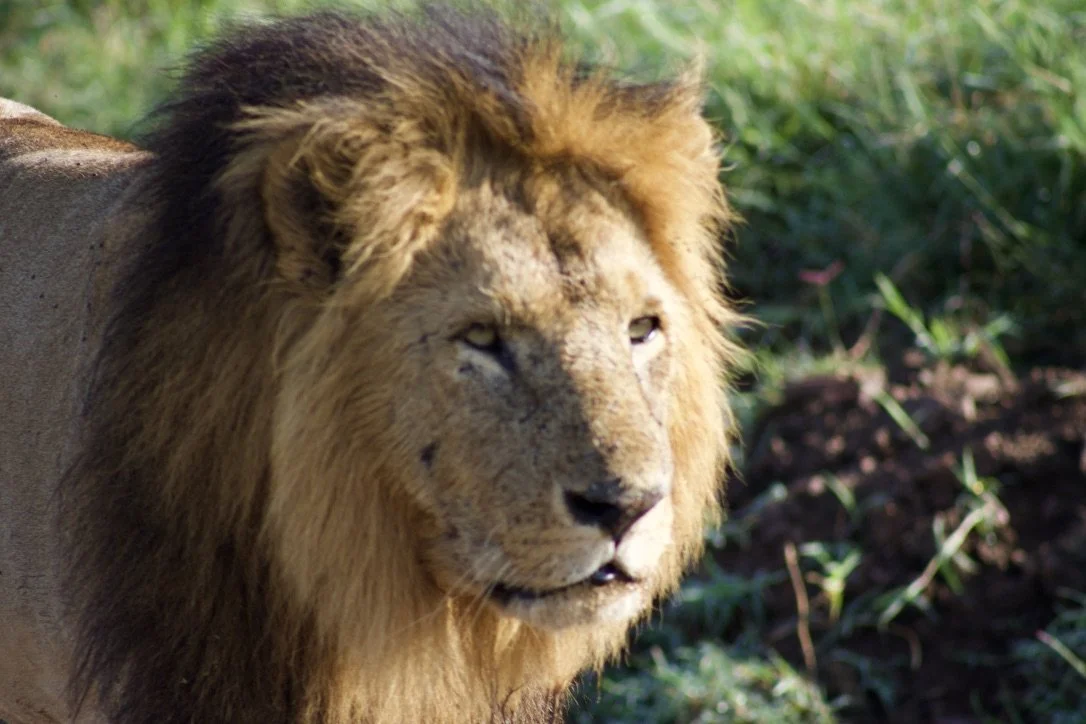
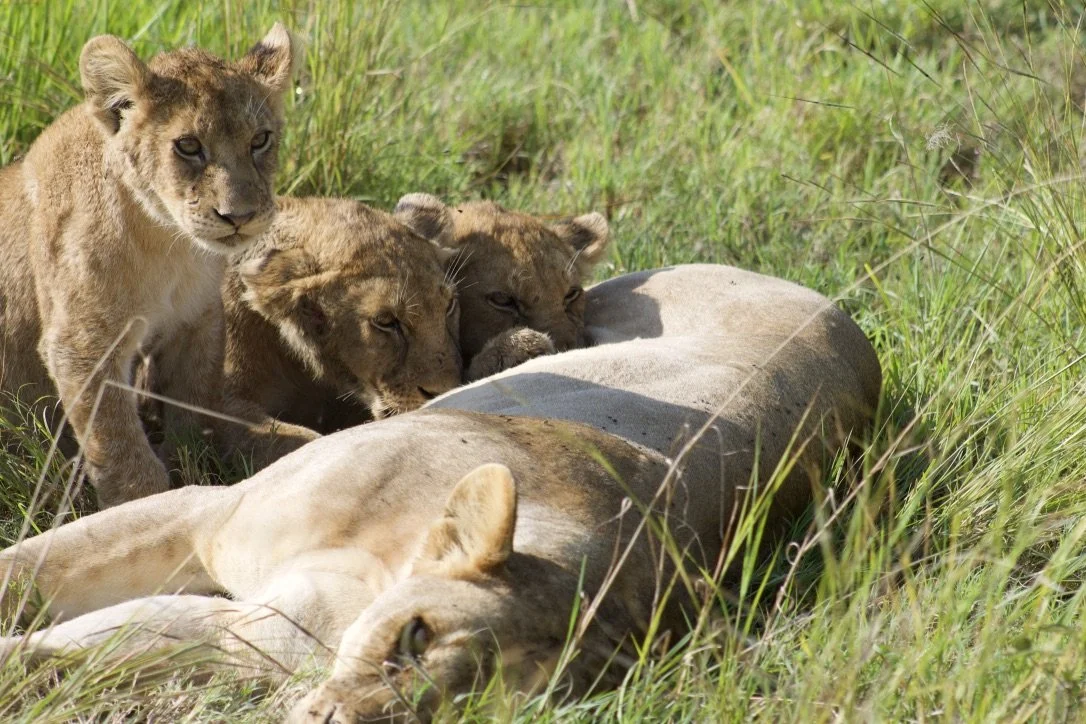
While on a safari, you get to do things you’ve only ever dreamed of. Like listening to the grunting gnus of the Great Migration, the impressive roar of A Lion, the sounds of big elephants walking through the bushes, as they traverse the mighty plains of East Africa
Going on a safari with an expert guide is like stepping into a real-life encyclopedia that is filled with countless unexpected (and often unbelievable) facts about the most curious of creatures, both big and small.
You’ll learn all sorts of wildlife trivia, like how the chameleon changes colour, what makes the flamingo pink, why the dung beetle spends its day rolling around in dung, and why lions have black tufts on their tails and the backs of their ears.
Every year, towards the end of the rainy season, the millions of animals in the Serengeti begin their migration north in search of more fertile land and better pastures.
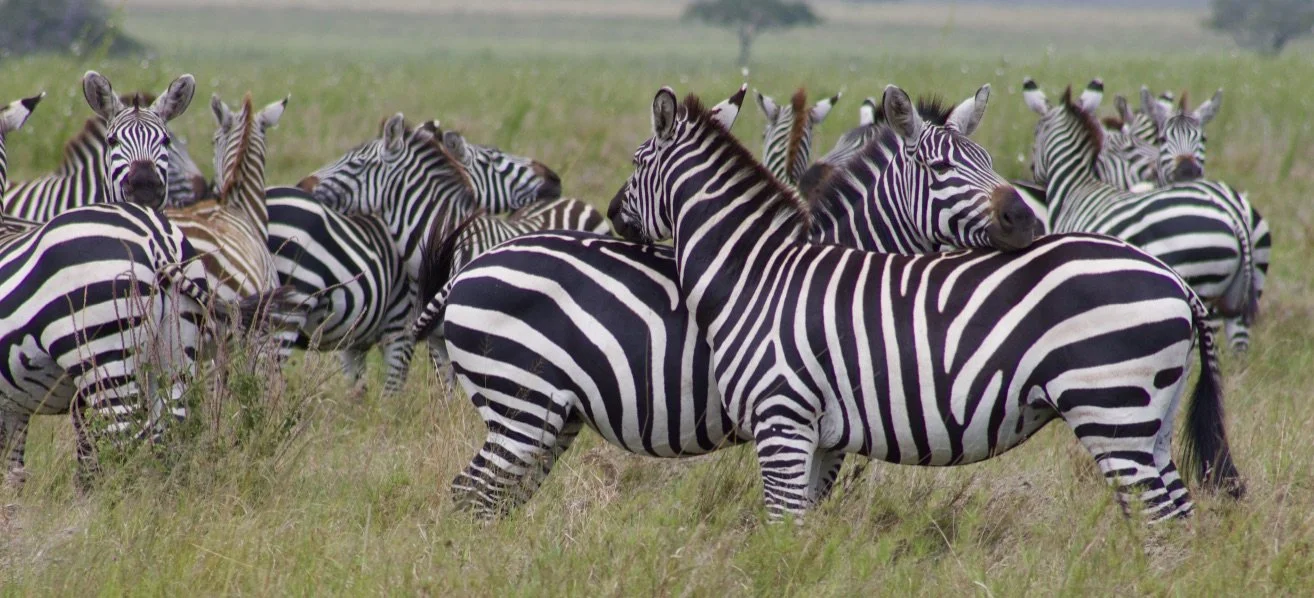
The Great Migration to me, is considered one of the greatest spectacles ever seen. The millions of wildebeest combined with millions of zebras, gazelles, impalas, and eland is a totally breathtaking experience.
It is incredible to see how different groups of animals are perfectly integrated. Aware of dangers that await them, they form lines tens of miles long. When the pasture has already been exploited, and food is an issue, then they start off again.
Kenya and Tanzania are not only about the safaris, it is also home to the most fascinating tribes, with very ancestral cultures.
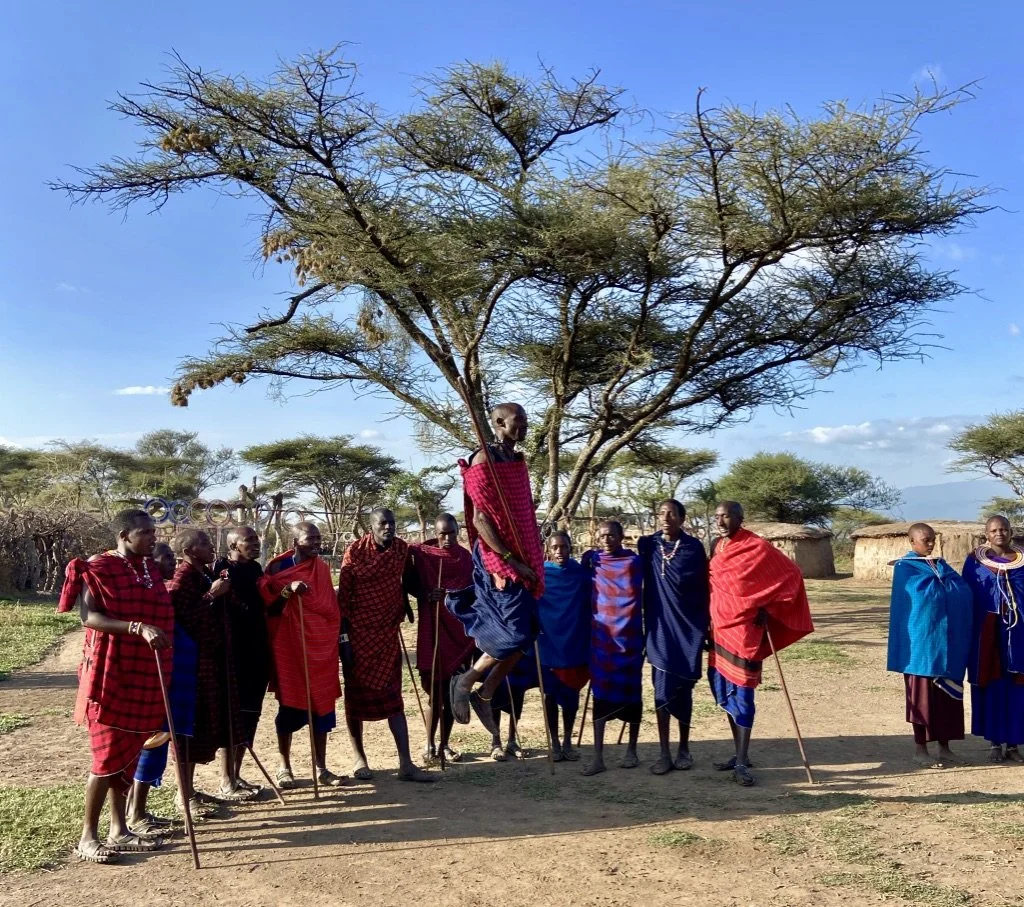
The Masai or Maasais are one of the largest tribes, and something you for sure want to do, is to visit a Masai Village.
In the Masai tribe, they have a chief who is elected from childhood by the men, although all decisions are made by a committee of the elders. Having a very hierarchical structure, they are organised into clans, and as they grow, they assume rights and duties. It is at age 14 that men become adult warriors. They are initiated to their status, also showing their jumping skills, which, believe me, they jump very high.
The Maasai live in what is called a boma with a set of huts or tiny round structures known as “Manyatta”, these huts are made from adobe and manure, with a minimal window making it very dark inside, the boma is surrounded by an acacia fence full of thorns, to avoid the attack of lions and other wild animals, in addition to keeping livestock close to them.
Mostly, women marry at ages 13 to 15, and their main functions are to cook, take care of their house, make crafts to sell, and procreate. They have neither voice or vote in the Maasai society.
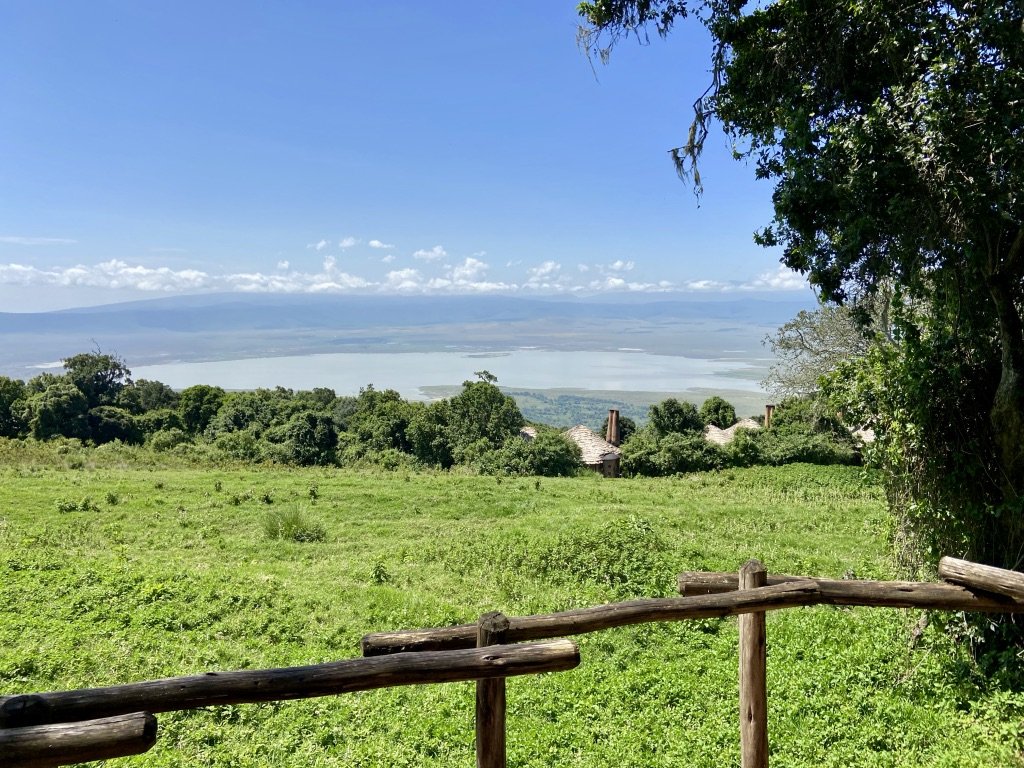
In Tanzania, we ended our amazing trip at Ngorongoro Crater, a UNESCO heritage site, once a gigantic volcano and is now the largest intact caldera in the world.
Some say that, before it erupted, it would have been higher than Mount Kilimanjaro. Long since having collapsed and eroded, this three-million-year-old caldera now shelters one of the most beautiful wildlife havens on earth.
The crater is also incredibly scenic, with breathtaking views, towering euphorbia clinging to the crater walls, while fever and fig tree forests on the crater floor provide shade for an incredible array of wildlife. Lean Maasai, resplendent in their beads and furled in scarlet Shuka robes, tend their herds on the crater floor. Black rhinos are protected within the crater rim, giant tusked elephant wander the forests, black-maned lion stalk the grasslands, and flamingos crowd the lakes.
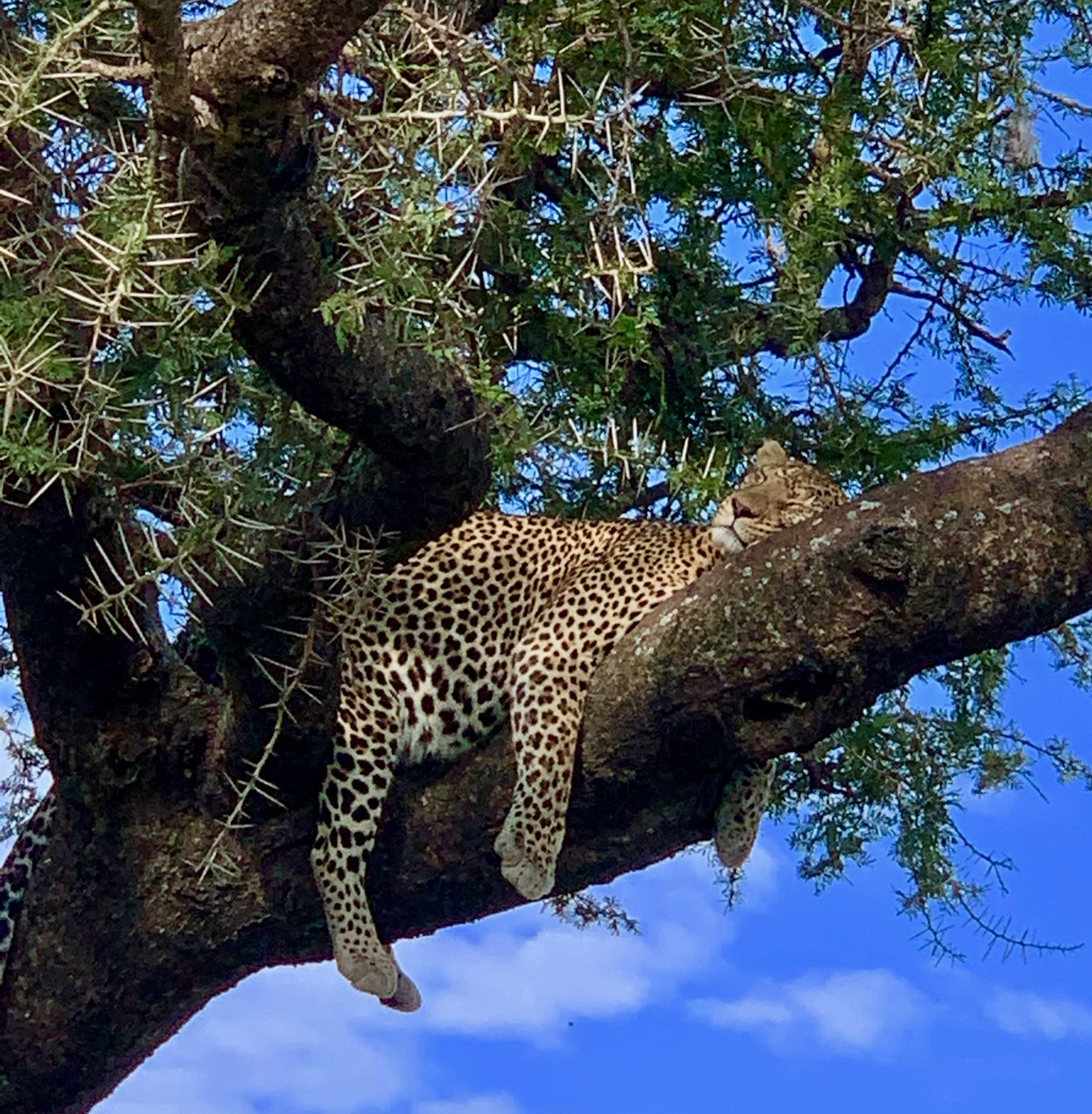
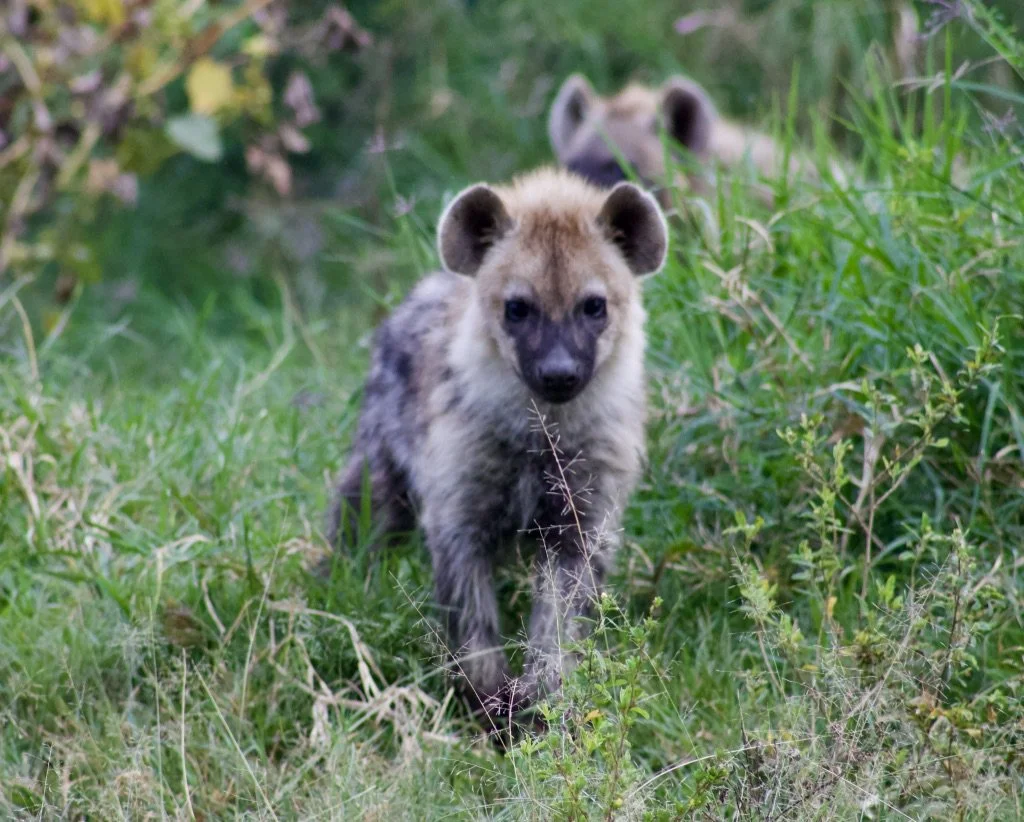
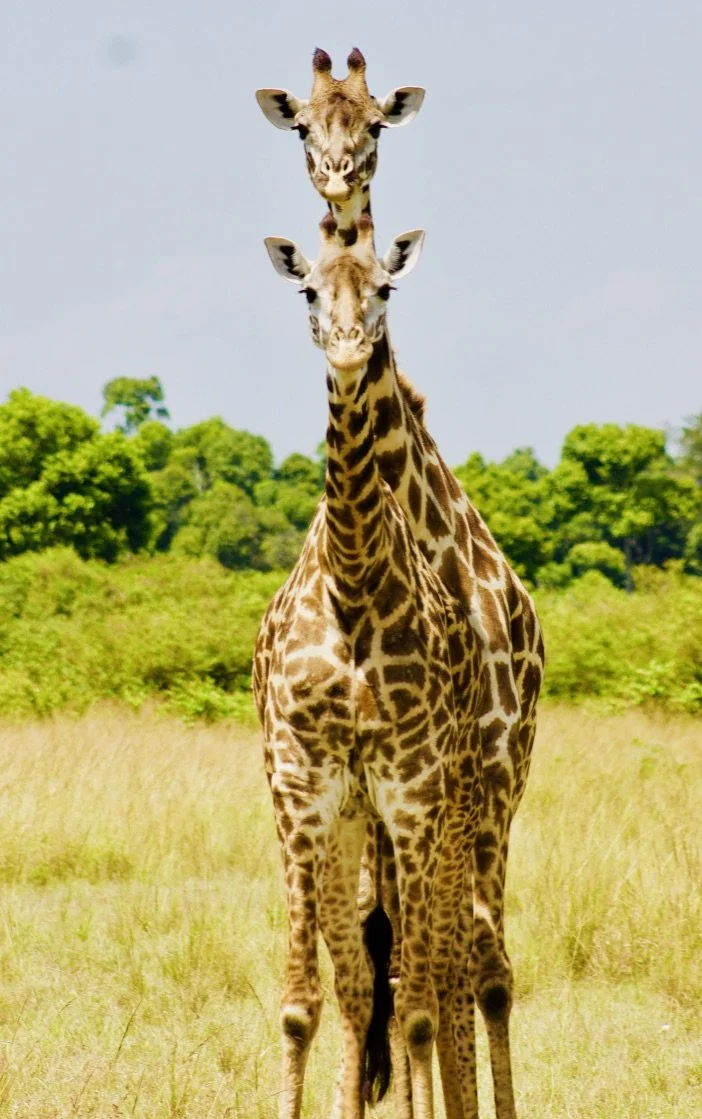
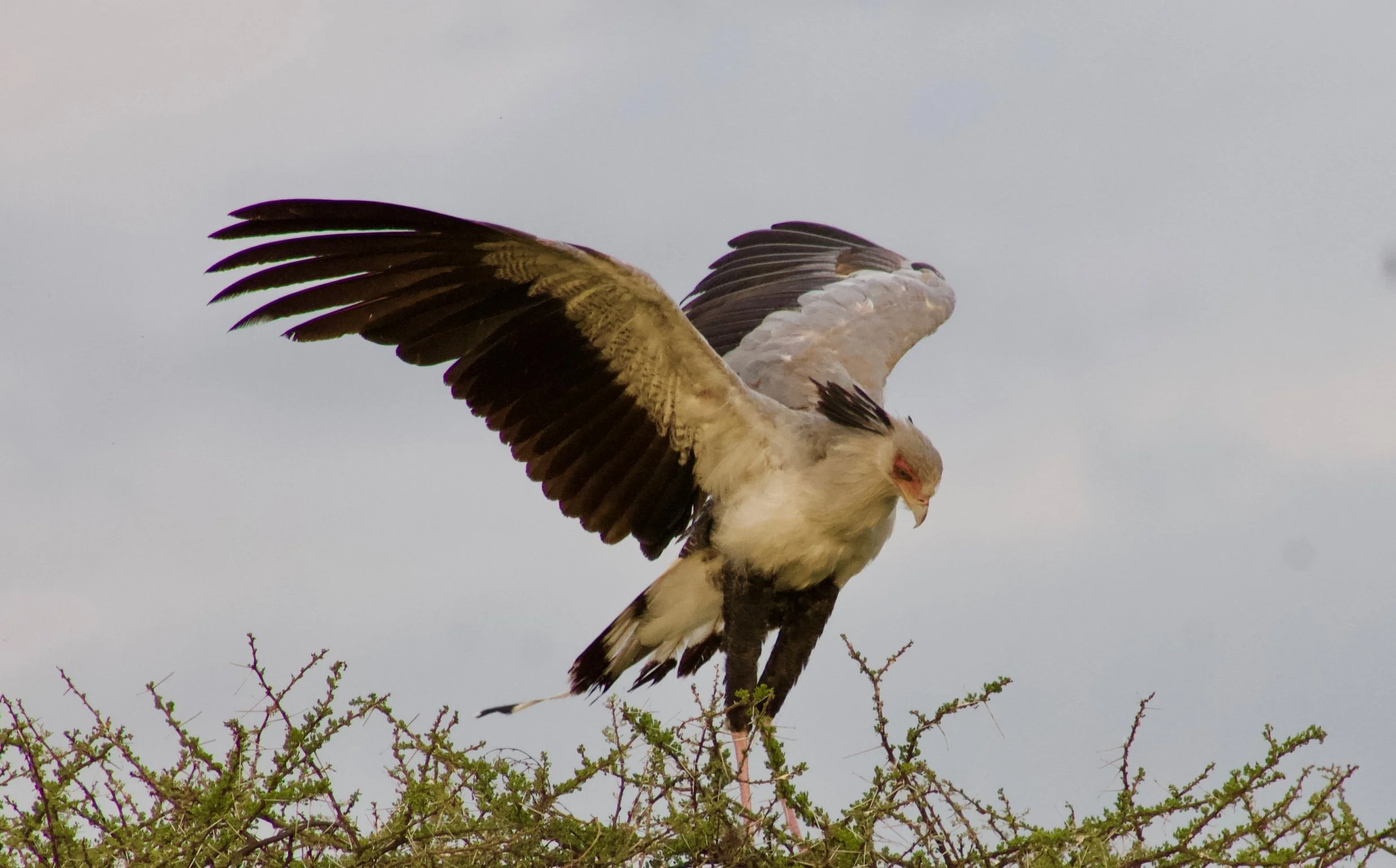
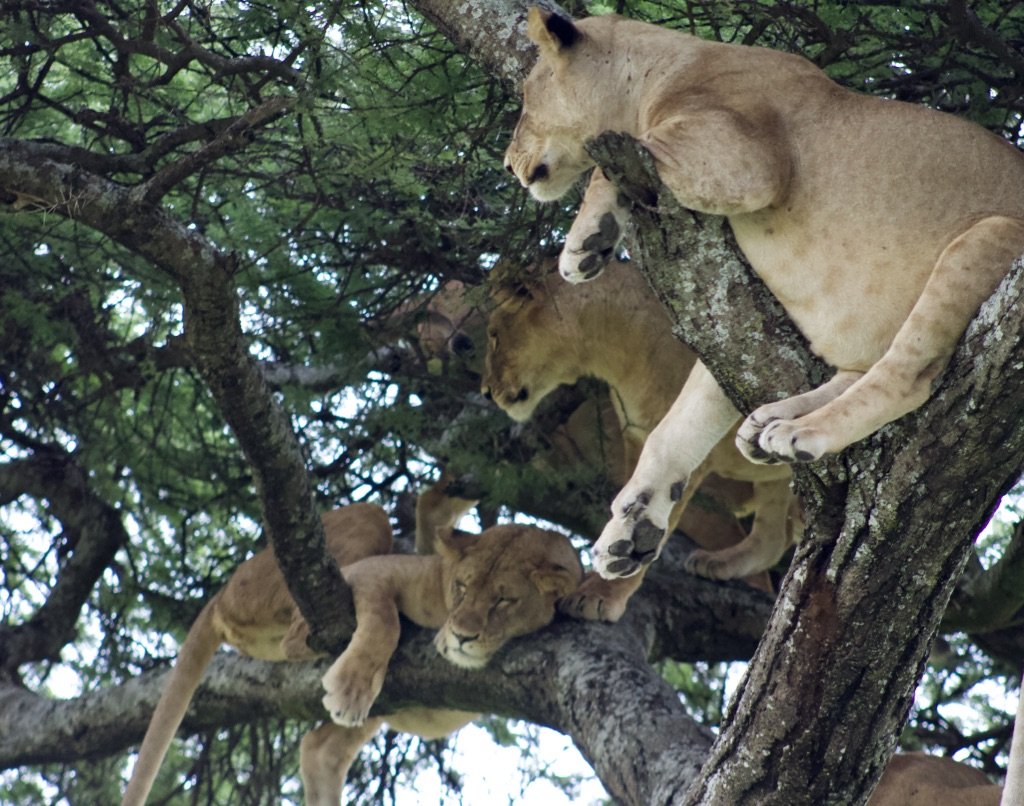
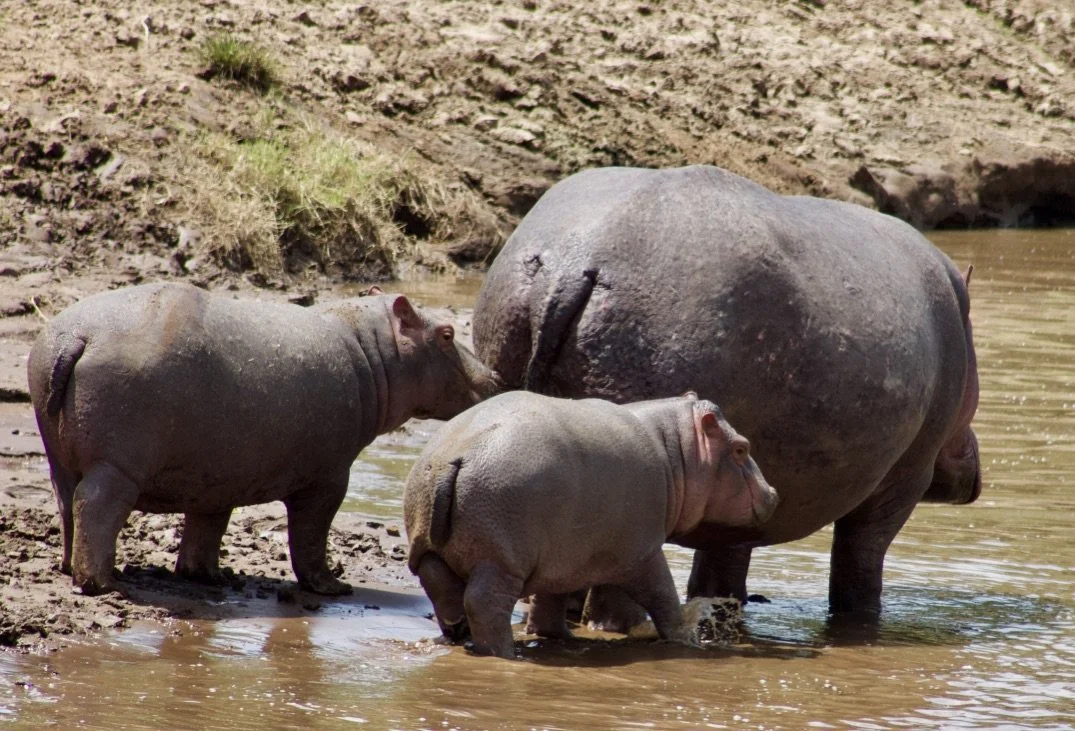
Since the entire trip was one amazing experience after the next, I have picked some of my safari highlights in pictures to share. These are only a few of the very many.
By Yvonne Hawley
713-805-4247
yvonne.hawley@gtctravel.com